Building a Strong Exhibition Team for London Events London is home to some of the…
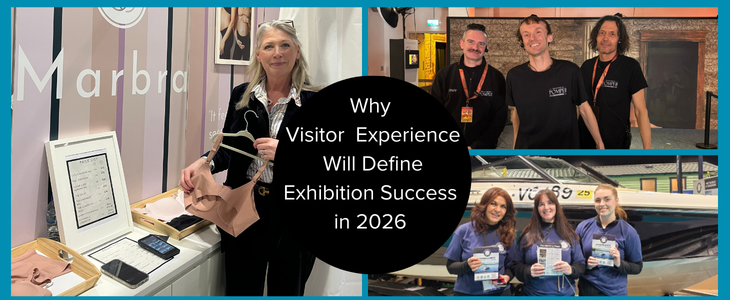
Why Visitor Experience Will Define Exhibition Success in 2026
Why Visitor Experience Will Define Exhibition Success in 2026
Exhibitions have always been about bringing people together, but in 2026 the focus is shifting even more clearly towards visitor experience. Businesses are no longer judged only by the size of their stand or the boldness of their graphics. Increasingly, success comes down to how visitors feel when they approach, interact with and remember your brand.
At major London exhibition venues such as ExCeL London, Olympia London and the Business Design Centre, visitors have a huge amount to take in. They may walk through hundreds of stands in a single day, speak to dozens of exhibitors and collect more information than they can realistically process before they even get home. In that environment, a memorable visitor experience becomes one of the strongest advantages an exhibitor can have.
This is where exhibition staff make a real difference. Human interaction, staff behaviour, first impressions and follow-up expectations all shape the way visitors see your brand. In 2026, these elements will be central to exhibition success.
Why Visitor Experience Matters More at London Exhibitions in 2026
London remains one of the most important exhibition destinations in the UK. It attracts international trade shows, consumer events, industry launches and specialist exhibitions across almost every sector. ExCeL London alone welcomes millions of visitors each year and hosts an enormous range of business and public events. Olympia London, with its long-standing reputation, continues to attract high-profile exhibitions, while venues such as the Business Design Centre provide a strong setting for specialist and design-led shows.
With so much happening in London, visitors have more choice than ever. They are not short of brands to meet, products to see or stands to explore. That means exhibitors must work harder to create an experience that feels engaging, clear and worthwhile.
A strong visitor experience helps you stand out in a crowded hall. It encourages visitors to stop, stay longer and remember your business once the show is over. It also supports better conversations, better lead quality and stronger brand perception.
Human Interaction Still Sits at the Heart of Exhibition Success
For all the technology now used at events, exhibitions still succeed because of people. Visitors may notice a stand because of design or location, but meaningful engagement nearly always begins with human interaction.
This is particularly true at busy London events, where attendees are often making quick decisions as they walk past. A smile, a warm greeting and a natural opening conversation can be enough to encourage someone to pause and engage. Without that human welcome, even a well-designed stand can be overlooked.
Professional exhibition staff understand how to start conversations in a way that feels comfortable and genuine. They know how to read body language, how to recognise who is open to a conversation, and how to adapt their tone to suit different visitors. That skill matters enormously in London, where audiences can be diverse, international and often short on time.
Human interaction also builds trust. Visitors want to feel that they are speaking to someone who understands the brand, listens carefully and responds appropriately. This is something that cannot be achieved through graphics or digital screens alone.
How Exhibition Staff Behaviour Shapes Customer Perception
Your exhibition staff play a direct role in shaping customer perception. Visitors notice not only what staff say, but how they behave. This includes their energy, their attentiveness, their presentation and the way they respond under pressure.
At London venues, where the pace can be fast and halls can become crowded very quickly, staff behaviour is often what separates an average stand from a successful one.
Positive staff behaviour includes:
Being approachable
Visitors are more likely to stop when staff look alert, confident and welcoming.
Showing consistency
The quality of engagement should remain high throughout the day, not drop once the event becomes busy.
Maintaining professionalism
Staff should reflect the tone of your brand in both appearance and attitude.
Managing busy moments well
Experienced exhibition staff know how to deal with queues, multiple enquiries and busy stand periods without losing composure.
When staff look distracted, disinterested or poorly briefed, visitors pick up on it immediately. On the other hand, a stand with well-presented, professional staff feels more credible, more organised and more worth approaching.
First Impressions Matter More Than Ever at London Venues
Exhibitions are environments where first impressions are formed in seconds. Visitors make rapid decisions based on what they see from the aisle and how they are greeted when they get closer.
At London venues such as ExCeL and Olympia, where stands are competing side by side, the first few moments of contact are crucial. A clear message, tidy stand, strong visual layout and welcoming staff all contribute to whether a visitor chooses to stop.
First impressions are created by:
Stand presentation
A clutter-free, well-organised stand feels easier to approach and more professional.
Staff positioning
If staff are hidden at the back or busy talking among themselves, visitors may assume they are interrupting.
Body language and energy
A positive, attentive team gives a strong impression before a word is spoken.
Hospitality and atmosphere
A welcoming environment, whether through refreshments, seating or simple courtesy, helps visitors feel comfortable.
London exhibitions are busy, demanding spaces. Visitors often spend hours on their feet, moving between halls and conversations. That is why comfort and atmosphere still matter. Even small touches that make the stand feel more human and welcoming can have a strong impact on how long someone stays and how they remember the interaction afterwards.
Follow-Up Expectations Are Higher in 2026
Visitor experience does not stop when the exhibition ends. In 2026, follow-up will continue to shape how exhibitors are judged. Visitors expect timely, relevant communication after the event, particularly if they have taken time to speak with your team, ask questions or share their details.
A good follow-up process helps maintain the momentum started at the event. It shows that your business is organised, responsive and genuinely interested in building the relationship further.
Effective follow-up often includes:
Prompt contact
Reaching out while the conversation is still fresh.
Relevant information
Sending details based on what was actually discussed, rather than a generic message.
Clear next steps
Helping the visitor understand how the relationship can move forward.
Accurate lead notes
Ensuring your team records useful information during the event so follow-up feels personal.
Poor follow-up can undo a positive exhibition experience very quickly. Good follow-up strengthens it. This is why exhibition staff need to understand not just how to engage visitors on the day, but also how to capture the right information for what happens afterwards.
What London Exhibitors Should Focus on in 2026
For businesses exhibiting in London in 2026, the message is straightforward. Exhibition success will increasingly depend on how visitors experience your stand from start to finish.
That means focusing on:
Warm and confident human interaction
Professional exhibition staff behaviour
Strong, welcoming first impressions
Well-organised and timely follow-up
London events are competitive, fast-moving and full of opportunity. Brands that create a polished, human and memorable visitor experience will be in the strongest position to generate leads, build trust and leave a lasting impression.
Top Tips for Improving Visitor Experience at London Exhibitions
1. Brief your exhibition staff properly
Make sure they understand your brand, target audience and event objectives.
2. Focus on the first impression
Think about what visitors see and feel in the first few seconds.
3. Keep the stand welcoming
A tidy, open stand with approachable staff makes a big difference.
4. Capture useful visitor notes
Good follow-up depends on clear, relevant information from the day.
5. Review each event afterwards
Assess what worked well and where the visitor experience could be improved.
Create the Experience Visitors Remember
In 2026, exhibition success will depend less on simply being seen and more on being remembered for the right reasons. At London exhibition venues, where visitors have countless stands to choose from, the brands that stand out will be those that offer a professional, welcoming and well-managed experience.
When exhibition staff create a strong first impression, engage naturally and support effective follow-up, they help turn passing interest into meaningful business opportunity. That is what visitor experience is really about, and why it will define exhibition success in the year ahead.

Related Posts