How to Measure Whether Your London Exhibition Stand Is Really Working A busy exhibition stand…
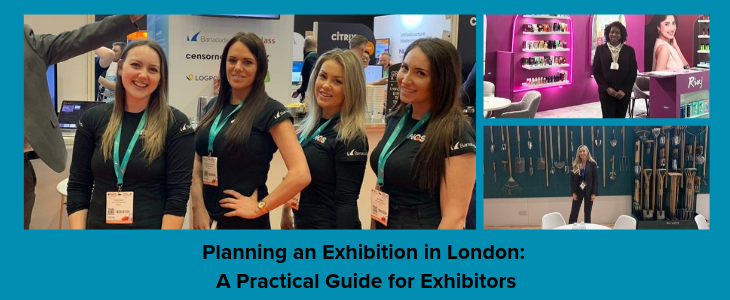
Planning an Exhibition in London: A Practical Guide for Exhibitors
Your company has decided to exhibit at a London trade show, the stand space is booked and now the planning begins. Whether you are attending ExCeL London, Olympia or the Business Design Centre, organising a successful exhibition involves more than arranging a stand and sending your sales team along. From setting clear objectives and planning visitor activities to arranging exhibition staff in London and collecting valuable leads, this guide covers the important decisions that will help you prepare for your event and make the most of your investment.
Getting Started With Your London Exhibition Planning
Booking exhibition space is often the easiest part of the process. Once the confirmation arrives, somebody needs to take responsibility for turning that booking into a worthwhile business opportunity.
For companies that regularly exhibit, much of the preparation may already be familiar. However, if your business is attending a London exhibition for the first time, there are several practical considerations that can easily be overlooked, particularly when your team is travelling from elsewhere in the UK.
London’s major exhibition venues attract a wide range of businesses, industry professionals and international visitors, creating valuable opportunities to meet potential customers. However, attending an exhibition is a significant investment, so it is important to establish what your business expects to achieve before concentrating on stand design and promotional materials.
Setting Clear Objectives for Your Exhibition
The starting point should always be the commercial reason for attending.
You may want to generate new sales leads, launch a product, meet existing customers, find distributors or increase awareness of your brand within a particular industry. Some businesses attend exhibitions primarily to demonstrate new technology, while others use them to strengthen relationships with existing clients.
Each objective requires a different approach.
If lead generation is your priority, you will need an environment that encourages conversations and allows visitor information to be recorded efficiently. Product launches may require demonstration areas or interactive experiences, while businesses hosting meetings might benefit from comfortable seating away from the busiest parts of the stand.
Agreeing on your objectives early helps you make decisions about the stand layout, activities and staffing, while also giving you something meaningful to measure when the event finishes.
Understanding Your Exhibition Audience
Before deciding what visitors will experience on your stand, research the people likely to attend.
Exhibition organisers usually provide information about visitor profiles, industry sectors and previous attendance, which can help you understand whether your audience includes purchasing managers, business owners, technical specialists or consumers.
Consider why these people are attending and what they might be looking for. Someone researching potential suppliers will have different expectations from a visitor interested in discovering new products or attending industry presentations.
London exhibitions can also attract international visitors, particularly at larger trade events, so it may be worth considering whether language skills or experience communicating with overseas audiences would benefit your stand.
Understanding your audience helps you create relevant activities and ensures your marketing budget is focused on attracting potential customers rather than simply increasing footfall.
Planning Your Exhibition Stand and Visitor Activities
Your stand should be organised around what you want visitors to do once they arrive.
A company launching a product might offer live demonstrations or samples, while a business promoting professional services may prefer an open layout that encourages conversations. Larger exhibitors could require separate areas for meetings, presentations, hospitality and interactive experiences.
Competitions, games and promotional giveaways can encourage visitors to stop, although they are most effective when connected to your wider exhibition objectives.
Consider how people will move through your space, particularly during busy periods. A popular demonstration can attract considerable attention, but queues should not prevent other visitors from approaching the stand.
At venues such as ExCeL London and Olympia, where exhibitions can occupy extensive floor space, clear messaging is particularly important. Visitors may have limited time and several companies they want to meet, so your stand needs to communicate what your business offers without requiring lengthy explanations.
Choosing the Right Exhibition Staff in London
Once your stand activities have been agreed, you can establish who needs to be there.
Your own salespeople and technical specialists will usually be best placed to handle detailed product enquiries, demonstrations and meetings with potential customers. However, these responsibilities can leave limited time for welcoming visitors, distributing samples or collecting contact information.
Additional exhibition staff can support your existing team by greeting visitors, assisting with demonstrations, managing promotional activities, capturing leads and directing enquiries to the appropriate person.
Your staffing requirements will depend on the size of the stand, the activities taking place and the number of visitors you expect to engage with.
Hiring local London exhibition staff can also offer practical advantages, particularly when your own employees are travelling from other parts of the country. Using people who already live in the area can reduce travel and accommodation expenses, while staff familiar with London’s exhibition venues and transport network may find it easier to manage their journeys.
Whatever combination of employees and temporary staff you choose, everyone should receive a clear briefing covering their responsibilities, your key messages and the objectives of the exhibition.
Managing London Exhibition Logistics and Travel
Exhibiting in London introduces additional considerations, particularly if your business is based outside the capital.
Accommodation, rail travel, parking, equipment deliveries and access arrangements can all affect your budget and preparation. It is worth checking the venue’s exhibitor information carefully because loading facilities, delivery procedures and contractor access arrangements vary between locations and events.
Your team should also understand how they will travel to the venue each day. Public transport is often the most practical option, although journey times and routes should be checked in advance.
If you are transporting products, displays or demonstration equipment, establish when deliveries can arrive and where items can be stored during the exhibition.
Addressing these details early reduces the likelihood of last-minute problems and allows your team to concentrate on visitors once the event begins.
Organising Lead Collection and Follow-Up
If your objective is generating new business, deciding how you will collect and manage visitor information should be part of the initial planning process.
Depending on the exhibition, you may have access to badge-scanning technology or prefer to use digital forms, tablets or your existing CRM system.
The quality of the information collected is particularly important. Recording a visitor’s contact details is useful, but knowing which products interested them, what requirements they discussed and whether a follow-up meeting was agreed gives your sales team much more valuable information.
Make sure your data collection process complies with UK GDPR requirements and that visitors understand how their details will be used.
It is also sensible to decide who will follow up enquiries before the exhibition takes place, rather than waiting until everyone returns to the office.
Managing Your London Exhibition Budget
Stand space is only one element of the total cost of exhibiting.
Additional expenses may include stand construction, graphics, furniture, electricity, internet access, promotional materials, transport, accommodation, hospitality and staffing.
For London events, travel and hotel costs can become a significant consideration, particularly when several employees are attending over multiple days.
Reviewing these expenses alongside your commercial objectives can help identify where your budget will have the greatest impact. It is also worth allowing a contingency for unexpected requirements or changes during the final preparation stages.
Measuring the Results of Your Exhibition
Once the exhibition finishes, review what you achieved against the objectives agreed at the beginning.
If lead generation was your priority, consider the number of qualified enquiries, meetings arranged and opportunities progressing through your sales pipeline. Product launches may be measured through demonstrations, feedback and subsequent customer interest.
Gather observations from everyone who worked on the stand, particularly around visitor behaviour, popular activities and questions that were frequently asked.
These insights can help you improve future exhibitions and decide whether attending the same event again represents good value for your business.
Making Your Next London Exhibition a Success
A successful exhibition starts with understanding why your business is attending and organising the stand, activities and people around that purpose.
Whether you are exhibiting at ExCeL London, Olympia or another London venue, clear objectives, appropriate staffing and careful logistical planning will help you make better use of your exhibition investment.
Before finalising your exhibition plans, agree on three things: who you want to attract, what you want those visitors to do and what result would make the event worthwhile.
Those answers should guide your decisions about stand design, visitor activities, staffing and budget, helping you create an exhibition experience that delivers meaningful commercial opportunities rather than simply a busy few days.

Related Posts